

OVERVIEW
A Brighter, More Confident Smile
A bright smile can make a powerful difference in the way you look and feel.
Over time, teeth naturally become darker or stained due to aging, changes in dentin structure, and exposure to pigments from foods, beverages, and tobacco.
Professional teeth whitening uses peroxide-based whitening agents to break down discoloration within the tooth structure and improve the natural brightness of your teeth.
What Is Teeth Whitening?
Teeth whitening is a cosmetic dental procedure designed to improve the color of natural teeth. Whitening agents containing peroxide penetrate the tooth structure and break down colored molecules responsible for discoloration.
The result is a brighter and more even-looking smile while preserving the natural structure of the teeth.
CAUSES
What Causes Teeth to Become Discolored?
Aging
As we age, changes in the dentin beneath the enamel can make teeth appear naturally darker or more yellow.
Food & Beverages
Coffee, tea, red wine, sauces, and other strongly pigmented foods and drinks can contribute to surface staining over time.
Tobacco
Smoking can cause persistent yellow or brown discoloration on the teeth.
External Staining
Pigments can accumulate on the surface of the teeth and contribute to a dull or uneven appearance.
Natural Tooth Color
Not everyone’s natural tooth shade is the same. Some people naturally have darker or warmer tooth tones than others.
CANDIDATES
Who Is a Candidate for Teeth Whitening?
Teeth whitening may be suitable for most people with healthy natural teeth. Approximately 90% of people may be suitable candidates, although certain enamel abnormalities and severe forms of intrinsic discoloration may require alternative treatment.
Whitening may be considered for patients with:
- Yellow or dull-looking teeth
- Staining from food and beverages
- Tobacco-related staining
- Age-related discoloration
- Uneven natural tooth shade
However, whitening is not appropriate for every type of discoloration. Severe tetracycline staining, enamel developmental abnormalities, and certain structural discolorations may respond poorly to conventional whitening.

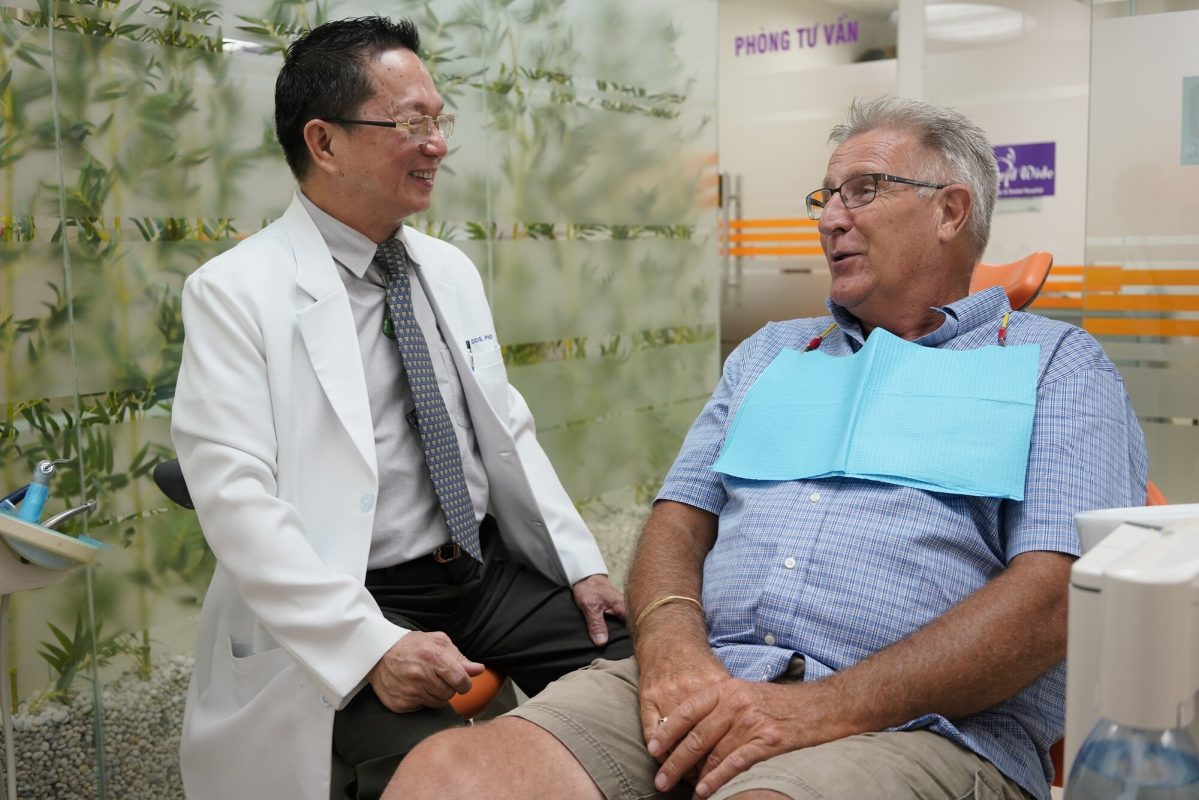
IN-OFFICE WHITENING
Professional Teeth Whitening at Worldwide
Whiteness HP Maxx
Worldwide currently offers Whiteness HP Maxx as a professional in-office whitening system. The system uses a high-concentration hydrogen peroxide whitening agent to break down pigments responsible for tooth discoloration.
Treatment can produce visible whitening results in approximately 60-90 minutes, depending on the individual case.
Key Benefits:
- Professional application & dentist-controlled treatment
- Fast treatment session
- Suitable for many types of external staining
- Designed to improve the natural brightness of teeth
OPTIONS
In-Office vs. At-Home Whitening
In-Office Whitening
Whitening is performed at the dental clinic under professional supervision.
Benefits:
- Faster results
- Professional application
- Better control of whitening materials
- Dentist can protect the gums and surrounding soft tissues
- Suitable for patients looking for faster cosmetic improvement
At-Home Whitening
A dentist can provide a customized whitening tray and whitening gel for use at home.
Benefits:
- Convenient
- Can be performed at home
- Gradual whitening
- Customized tray
TREATMENT PROCESS
The Teeth Whitening Process
01
Dental Examination
Evaluate teeth and discoloration
02
Professional Cleaning
Remove plaque and tartar
03
Gum Protection
Protect surrounding soft tissue
04
Whitening Treatment
Apply whitening agent
05
Shade Evaluation
Assess the new tooth color
06
Post-Treatment
Instructions to maintain results
IMPORTANT INFORMATION
Safety, Sensitivity & Restorations
Is Teeth Whitening Safe?
Professional teeth whitening is generally considered safe when performed appropriately and under dental supervision. However, temporary tooth sensitivity can occur.
Other potential problems can occur when whitening products are improperly used, particularly if the gums and soft tissues are not adequately protected.
Teeth Sensitivity After Whitening
Temporary sensitivity is one of the most common side effects of whitening. You may experience sensitivity to cold drinks, hot drinks, sweet foods, or air.
In most cases, the sensitivity is temporary. Your dentist can recommend appropriate desensitizing measures before or after treatment.
Whitening Does Not Change the Color of Restorations
Teeth whitening affects natural tooth structure. It does not whiten Porcelain veneers, Dental crowns, Dental bridges, Existing composite restorations, or Other tooth-colored restorations.
Therefore, patients with existing restorations in the smile zone should discuss their treatment plan with their dentist before whitening.
COMPARISON
Teeth Whitening vs. Porcelain Veneers
KNOWLEDGE CENTER
Frequently Asked Questions
How long does teeth whitening take?
In-office whitening with Whiteness HP Maxx is currently described by Worldwide as taking approximately 60-90 minutes, depending on the individual case.
Does teeth whitening damage enamel?
When properly performed using appropriate materials and protocols, professional whitening is generally considered safe. Improper application or excessive concentrations can increase the risk of sensitivity and soft-tissue irritation.
Will whitening make my teeth perfectly white?
Not necessarily. The final shade depends on your natural tooth structure and the type of discoloration. The goal should be a brighter, natural-looking tooth color, rather than an unrealistic shade.
Can sensitive teeth be whitened?
Potentially, but your dentist should evaluate the cause and severity of the sensitivity before treatment.
Can I whiten crowns and veneers?
No. Whitening affects natural tooth structure and does not change the color of porcelain or other existing restorations.
What should I avoid after whitening?
For the first 24-72 hours, avoid strongly pigmented foods and beverages such as coffee, tea, red wine, dark sauces, and tobacco.
REVEAL A BRIGHTER SMILE
Book Your Teeth Whitening Consultation
Professional teeth whitening can brighten your natural teeth while preserving their original shape and structure. If you’re looking for a quick, conservative way to refresh your smile, whitening may be the right place to start.
*Your information is kept strictly confidential.
