ORAL HEALTH
Why Replace Multiple Missing Teeth?
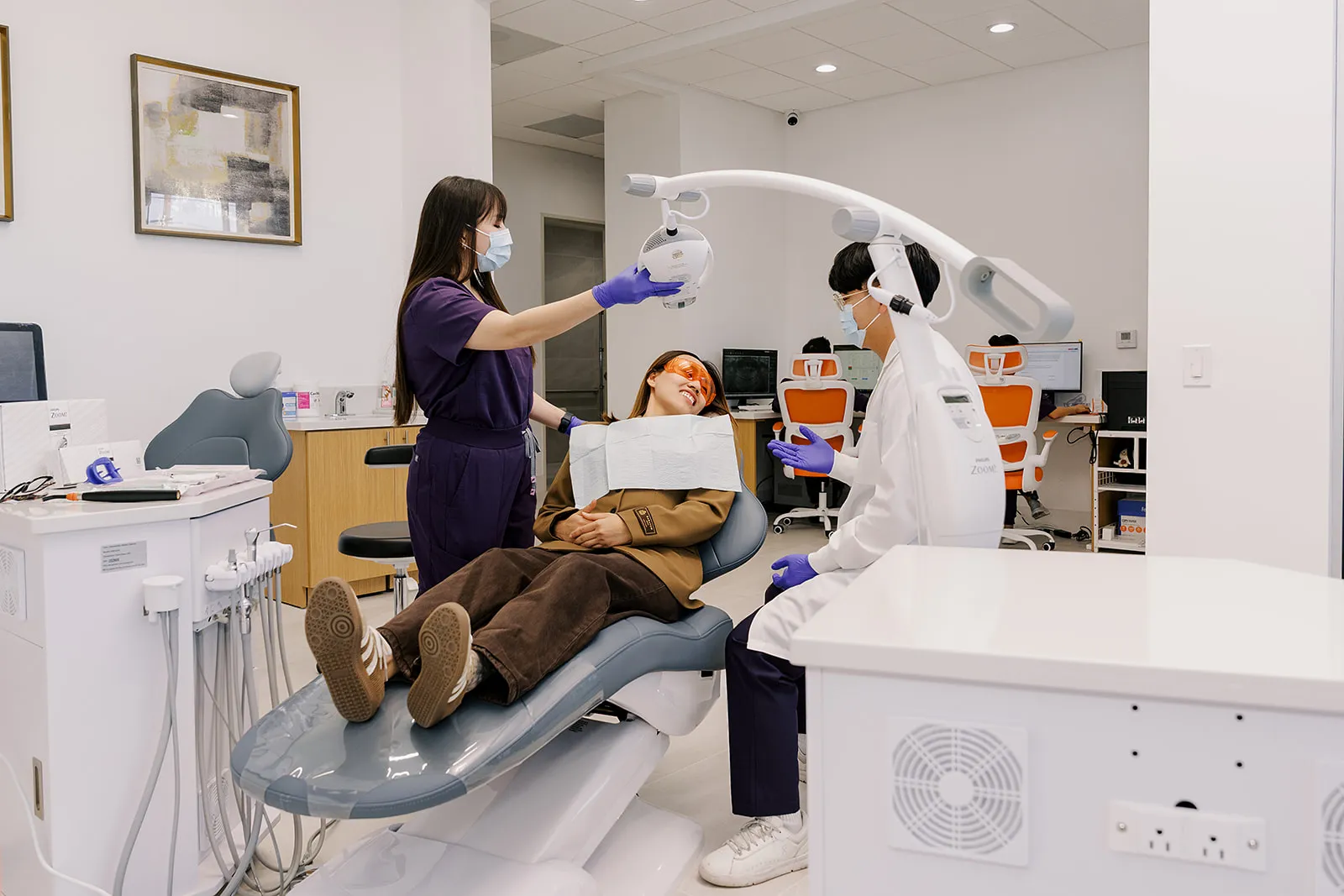
Losing several teeth affects far more than your smile – it can compromise your bite, your jawbone, and your everyday comfort.
- Prevent remaining teeth from drifting or tilting
- Maintain a balanced, stable bite
- Preserve jawbone volume in multiple areas
- Restore full chewing efficiency
- Avoid the bulk and slippage of removable dentures
- Regain a complete, natural-looking smile
ANATOMY
What Are Multiple Implants?
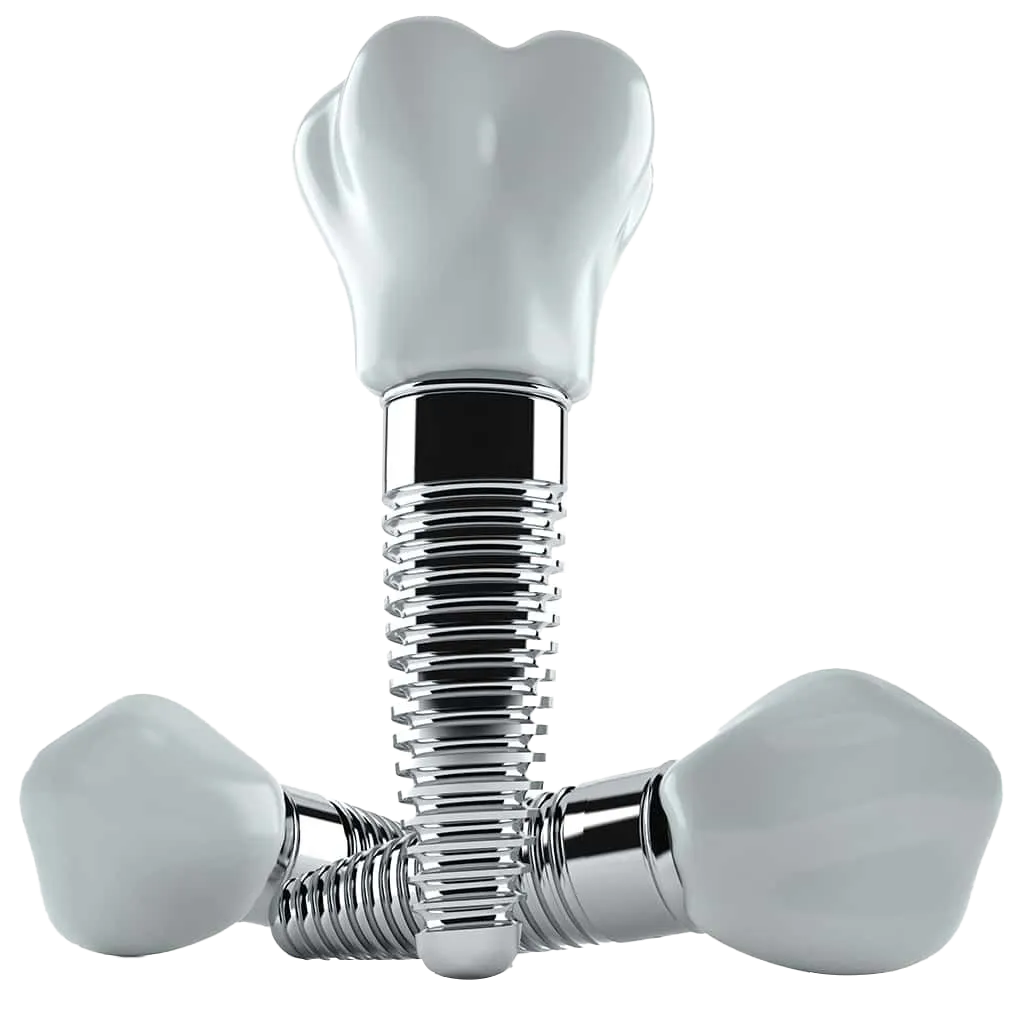
When several teeth are missing, implants can replace them individually or work together to support a connected restoration – giving you a stable, long-lasting solution tailored to the gap.
Individual Implants
Each missing tooth is replaced with its own implant and crown, functioning independently – ideal when gaps are spread across the arch.
Implant-Supported Bridge
Two or more implants anchor a fixed bridge that replaces several teeth in a row, reducing the number of implants needed while restoring full function.
Custom Restoration
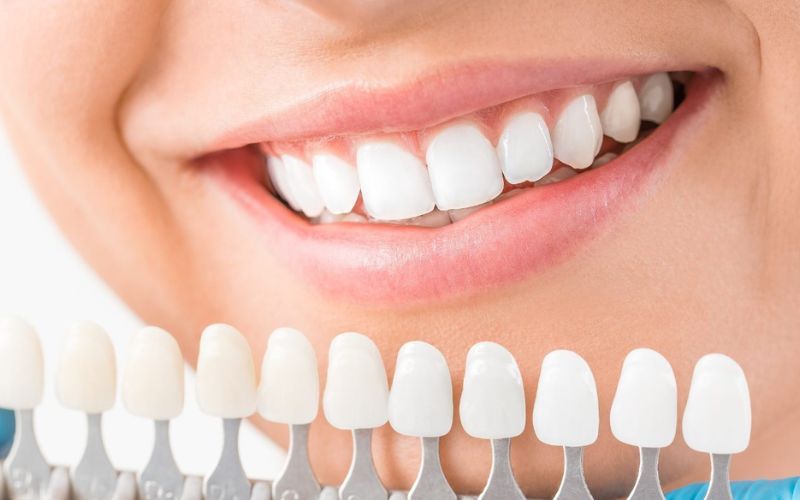
Every restoration is designed to match the color, shape, and alignment of your natural teeth for a seamless result.
ADVANTAGES
Benefits of Multiple Implants
Fewer Implants, Full Coverage
Bridges supported by implants can replace several teeth without needing one implant per tooth.
Stable, Confident Bite
Distributes chewing force evenly, unlike removable partial dentures.
Preserve Jawbone Structure
Stimulates bone in multiple areas, helping prevent the sunken look of long-term tooth loss.
No Adjacent Teeth Involved
Neighboring healthy teeth are left untouched, unlike traditional bridgework.
Long-Term Value
A durable alternative to removable appliances that need frequent replacement.
Easy to Maintain
Clean and care for your restoration much like natural teeth.

EVALUATION
Are You a Candidate?
You may be a good candidate for multiple implants if you:
- Are missing two or more teeth, in a row or spread across the arch
- Have healthy gums
- Have adequate jawbone volume, or are eligible for bone grafting
- Are in good general health
- Currently wear an uncomfortable partial denture and want a fixed alternative
Bone grafting or sinus lifting can often restore enough bone volume to make treatment possible, even after significant bone loss.
STEP-BY-STEP
Our Treatment Process
01
Consultation
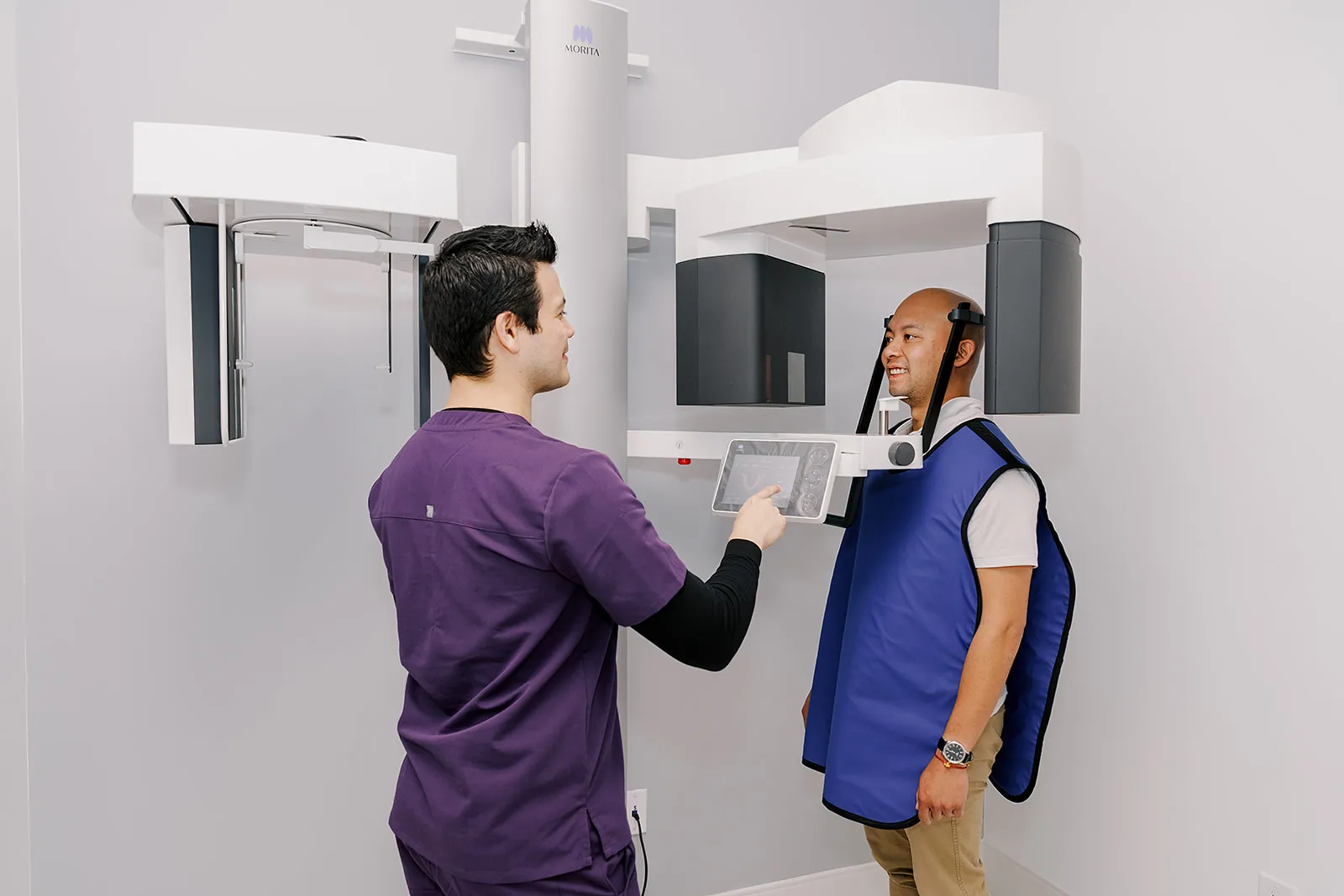
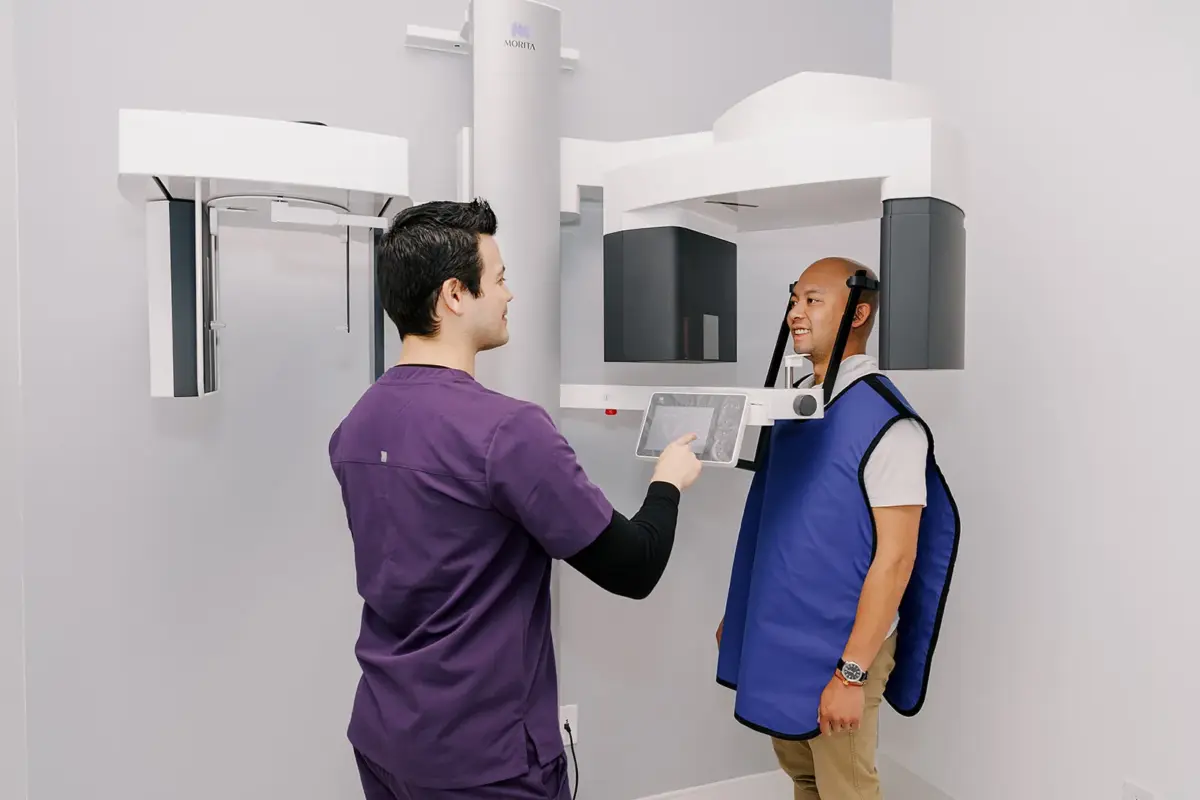
Digital X-rays and 3D CBCT imaging map your bone structure across all missing-tooth sites to plan implant number and placement.
02
Placement
Implants are placed under local anesthesia using minimally invasive, computer-guided techniques for precision and faster healing.
03
Healing
Over 3-6 months, the implants fuse with the jawbone, creating a strong foundation for your restoration.
04
Restoration
Custom-made crowns or a fixed bridge are attached to complete your smile with natural aesthetics and full function.
ABOUT US
Why Choose Worldwide Dental Hospital?
Excellence Without Borders
We combine advanced technology, experienced specialists, and exceptional hospitality.
- Experienced implant specialists
- International treatment standards
- Premium implant systems
- Multilingual support for international patients
- Transparent treatment planning
- Long-term follow-up care
Advanced Technology
- 3D CBCT Imaging
- Digital Smile Design
- Computer-Guided Implant Surgery
- Intraoral Scanner
- CAD/CAM Crown Fabrication
- Digital Occlusion Analysis
Strict Safety & Sterilization
We utilize modern dental technology to improve precision and patient comfort while maintaining strict sterilization protocols that meet international standards.
FREQUENTLY ASKED QUESTIONS
Got Questions?
We’ve Got Answers
Aftercare Tips to maximize the lifespan of your implants:
- Brush twice daily
- Floss or use interdental brushes around implants and bridges
- Attend regular dental check-ups
- Avoid smoking
- Wear a night guard if you grind your teeth
How many implants do I need to replace several teeth?
It depends on the number and location of missing teeth – a bridge on 2-4 implants can often replace 3-5 teeth, while spread-out gaps may need individual implants. Your treatment plan will specify the exact number.
Is this treatment more affordable than replacing every tooth individually?
Yes, in many cases. An implant-supported bridge uses fewer implants to cover multiple missing teeth, which can reduce overall cost compared to individual implants for every gap.
Will all my implants be placed in one visit?
In most cases, yes – implants are placed in a single surgical session, though your dentist will confirm this based on your bone condition and treatment plan.
How long does treatment take?
Typically 3-6 months from placement to final restoration, allowing time for the implants to fuse with the jawbone.
Will my new teeth look natural?
Yes. Crowns and bridges are custom-designed to match your surrounding teeth in color, shape, and translucency.
GET STARTED TODAY
Ready to Restore Your Smile?
Whether you’re missing a few teeth or several, multiple implants can give you a stable, natural-looking, and long-lasting solution.
Book your consultation today and discover a personalized implant plan designed for lasting results.