ZYGOMA IMPLANT: A SOLUTION FOR PATIENTS WITH SEVERE UPPER JAW BONE LOSS
Dental implants have transformed modern dentistry by providing an effective and reliable solution for replacing missing teeth. However, conventional dental implants may not always be suitable for patients who have experienced severe bone loss in the upper jaw.
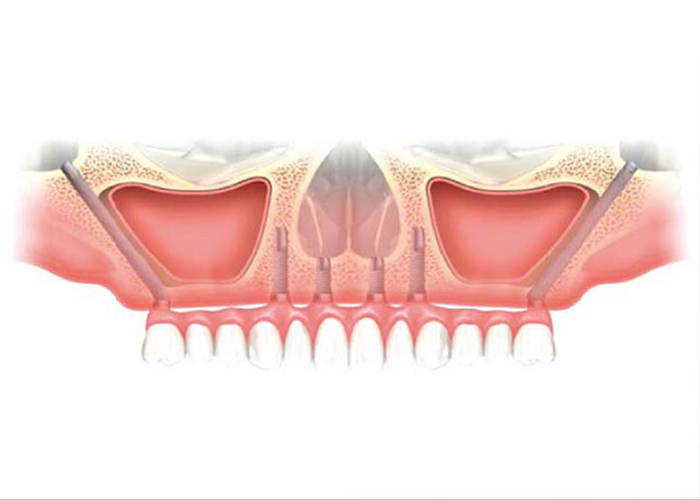
For these patients, Zygoma Implants, also known as zygomatic implants, can provide an alternative solution by anchoring implants into the cheekbone rather than relying on severely resorbed jawbone. This advanced implant technique can help restore both oral function and facial aesthetics, allowing patients with significant upper-jaw bone loss to regain a stable and functional smile.
WHAT IS A ZYGOMA IMPLANT?
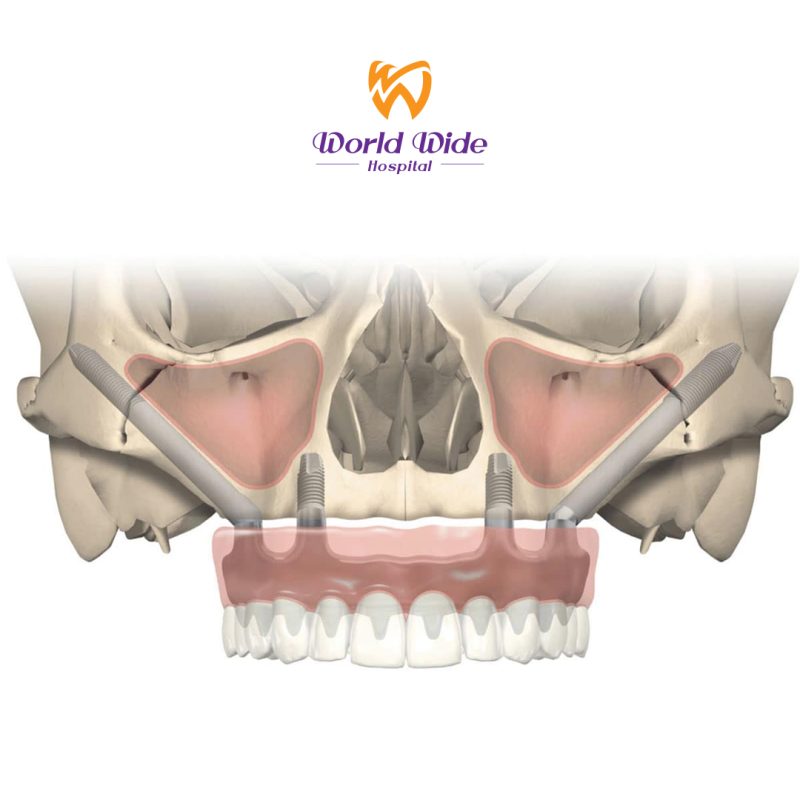
Unlike conventional dental implants, which are anchored within the jawbone, Zygoma Implants are significantly longer and are placed at an angle to engage the zygomatic bone, or cheekbone.
The zygomatic bone has a dense and strong structure that can provide the primary stability required for implant placement, even when substantial bone loss has occurred in the upper jaw.
Because Zygoma Implants can utilize the existing cheekbone for anchorage, selected patients may be able to avoid extensive bone grafting procedures.
In appropriate cases, this approach may also allow for an immediate or early fixed prosthetic solution, significantly reducing the overall treatment timeline.
ZYGOMA IMPLANTS VS. CONVENTIONAL IMPLANTS WITH BONE GRAFTING
For patients with severe upper-jaw bone loss, the traditional treatment approach may involve bone grafting before conventional implants can be placed. Zygoma Implant treatment offers a different approach.
- Treatment Time: Traditional bone grafting requires an additional healing period before conventional implants can be placed. With Zygoma Implants, the cheekbone can be used as the anchorage point, potentially eliminating the need for extensive bone grafting and shortening the overall treatment process.
- Treatment Cost: Bone grafting represents an additional surgical procedure and therefore increases the overall cost of treatment. Zygoma Implant treatment may eliminate the need for extensive bone grafting, potentially reducing both treatment time and additional surgical expenses.
- Number of Surgical Procedures: Traditional treatment may require multiple surgical stages (Bone grafting, healing, placement, rehabilitation). With Zygoma Implant treatment, the surgical stages may be significantly reduced, and in appropriate cases completed in a single major surgical procedure.
The exact treatment plan depends on the patient’s anatomy, bone condition, general health, and prosthetic requirements.
FULL-ARCH ZYGOMA IMPLANT TREATMENT PROCESS
The exact treatment schedule may vary from patient to patient depending on the condition of the jawbone, oral health, medical history, and complexity of the case. A typical treatment protocol may include the following stages:
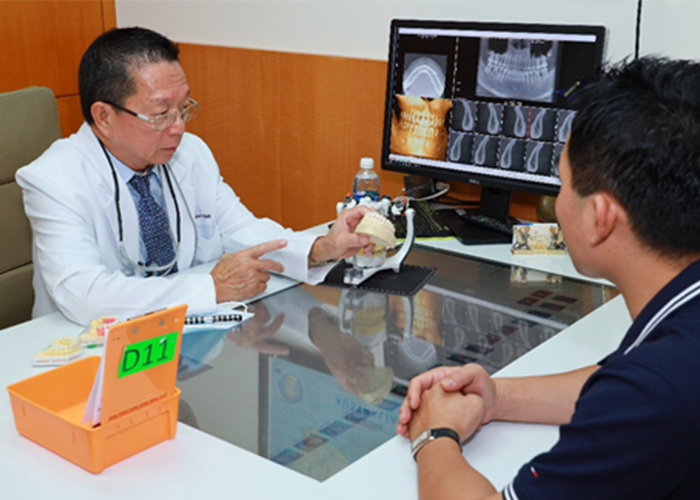
- DAY 1 – CONSULTATION AND TREATMENT PLANNING: The patient undergoes a comprehensive clinical examination, 3D CT scanning, and necessary medical examinations. Based on these findings, an individualized treatment plan is developed.
- DAY 2 – ZYGOMA IMPLANT SURGERY: The procedure is performed under general anesthesia. Zygoma Implants are carefully anchored into the zygomatic bones. In selected cases, a temporary fixed restoration may be delivered on the same day.
- DAY 3 – TRY-IN OF THE IMPLANT-SUPPORTED TEETH: The temporary prosthetic teeth are evaluated for fit, bite relationship, facial appearance, smile aesthetics, speech, and overall comfort.
- DAY 4 – DELIVERY OF THE IMPLANT-SUPPORTED RESTORATION: The implant-supported teeth are attached after the dental team has completed the necessary checks and adjustments.
- FINAL RESTORATION: Approximately six months after surgery, once the implants have achieved sufficient stability and osseointegration, the temporary restoration may be replaced with the final prosthetic restoration for long-term oral rehabilitation.
WHERE SHOULD ZYGOMA IMPLANT SURGERY BE PERFORMED?
Zygomatic implant placement is a complex surgical procedure that requires extensive experience in implant dentistry and maxillofacial surgery. Because the procedure involves the zygomatic bone and anatomically sensitive areas of the upper face, comprehensive diagnostic imaging and precise surgical planning are essential.
For patient safety, Zygoma Implant surgery should be performed in an appropriately equipped hospital environment with experienced surgeons, general anesthesia capabilities, sterile operating facilities, and appropriate postoperative monitoring.
At Worldwide Hospital, Zygoma Implant procedures are performed as part of a multidisciplinary approach involving implant specialists, maxillofacial surgeons, prosthodontic professionals, and anesthesiology specialists.
WHAT MAKES ALL-ON-4 / ALL-ON-6 AND ZYGOMA IMPLANT TREATMENT AT WORLDWIDE DIFFERENT?

SPECIALIZED IMPLANT DENTAL TEAM
The implant treatment team includes experienced specialists with international training and professional certifications.
- Dr. Do Dinh Hung, PhD, DDS, Specialist II: An international implant specialist and member of ICOI, AO, and ITI.
- Dr. Bui Anh Tuan: An implant dentist with certifications from the US and Hong Kong and more than 26 years of experience.
- Dr. Nguyen Hoang Loc: A clinical implant specialist trained at Loma Linda University in the United States.
- Dr. Vu Thi Phuong Lan: Holds implant dentistry certification from Nobel Biocare in Portugal and Macau.
- Dr. Phan Vinh Luan: Has advanced training in Full-arch All-on-X and Zygomatic/pterygoid techniques.
- MSc. Dr. Nguyen Thanh Vu: Advanced training in the KTS implant protocol at Northwest Implant Center, USA.
- Dr. Le Van Kim, Specialist II: An anesthesiology and critical-care specialist with more than 30 years of experience.
ADVANCED TECHNOLOGY AND EQUIPMENT
Cone Beam CT – Dentsply Sirona Axeos
Provides detailed three-dimensional diagnostic information for accurate treatment planning.
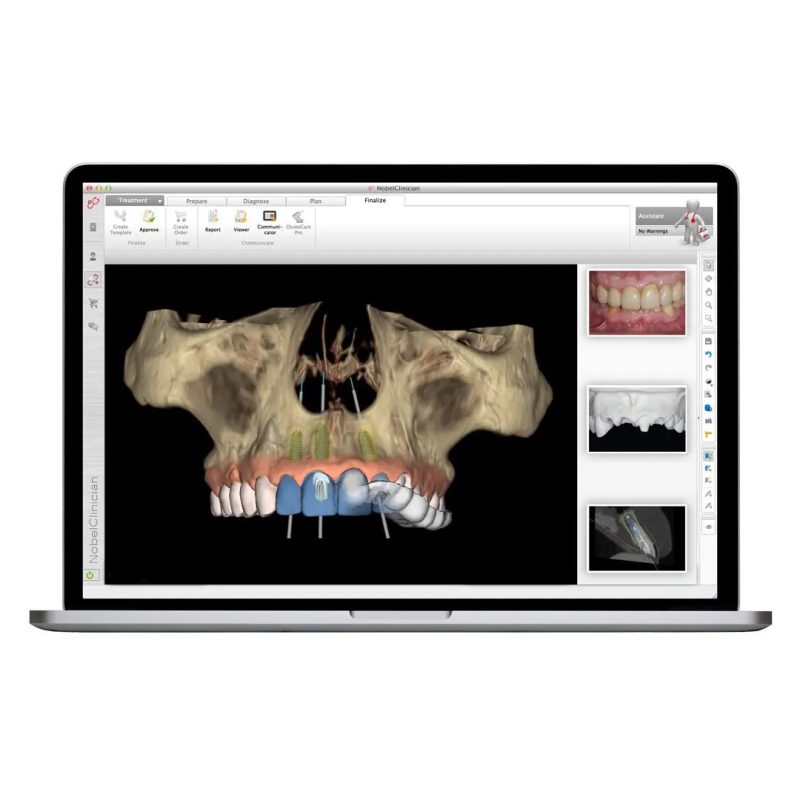
Nobel Clinician Planning Software
Digital planning approach allowing visualization of implant placement.
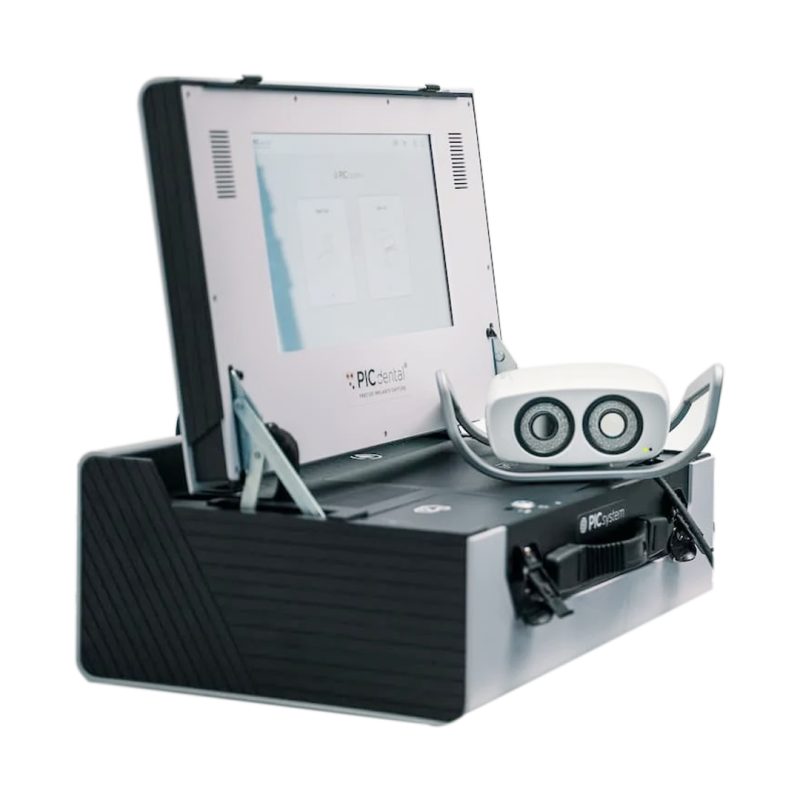
PIC Stereometric Monitoring System
Determines implant positioning for accurately fitting prosthetic restorations.
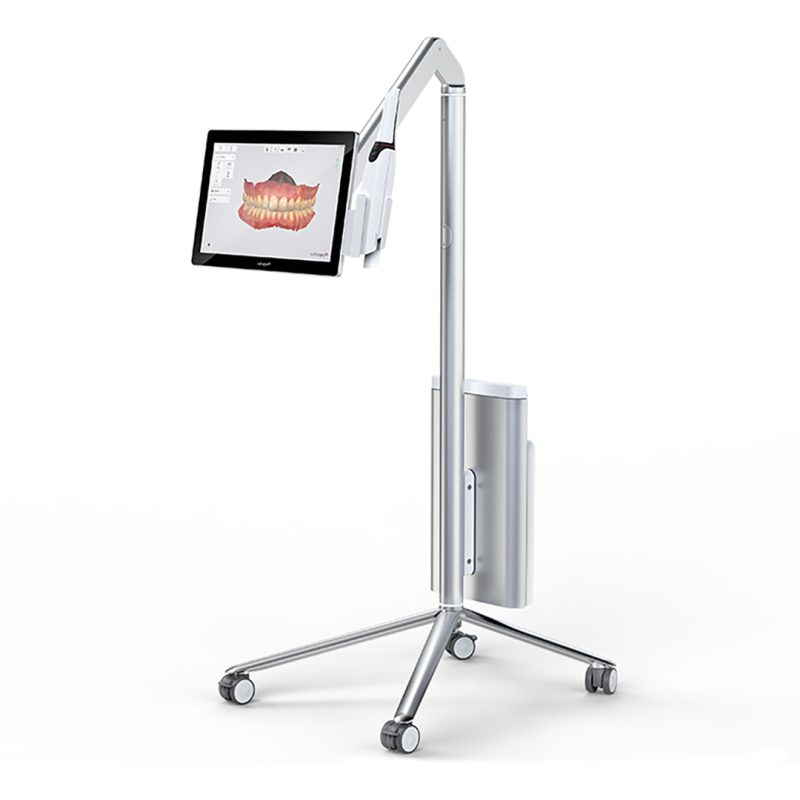
3Shape TRIOS 4 Intraoral Scanner
Improves data accuracy and patient comfort compared to conventional impressions.
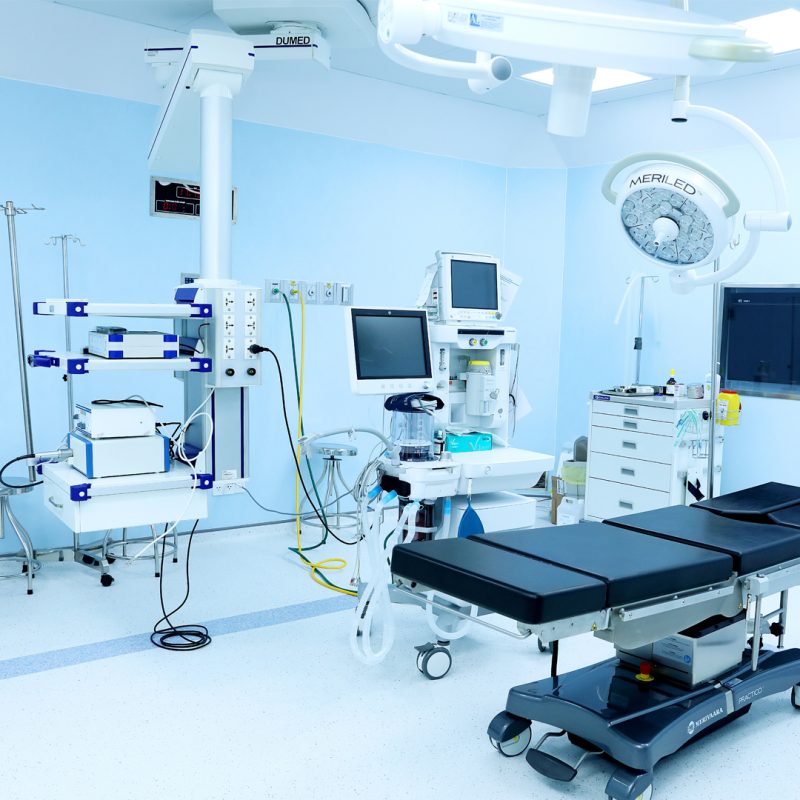
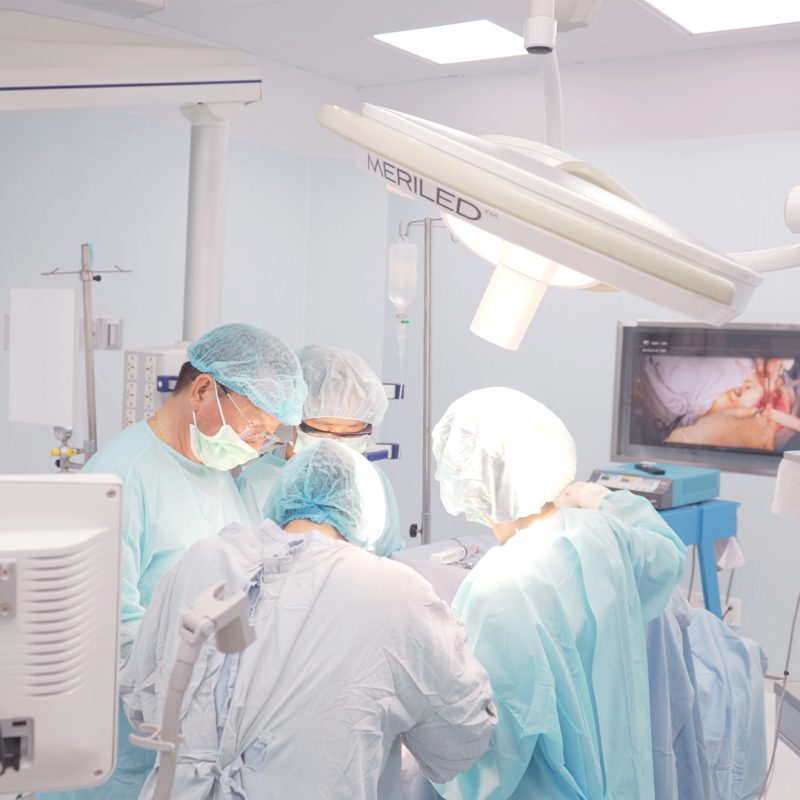
Fully Equipped Operating Room
Maintains appropriate standards of sterility and patient safety.
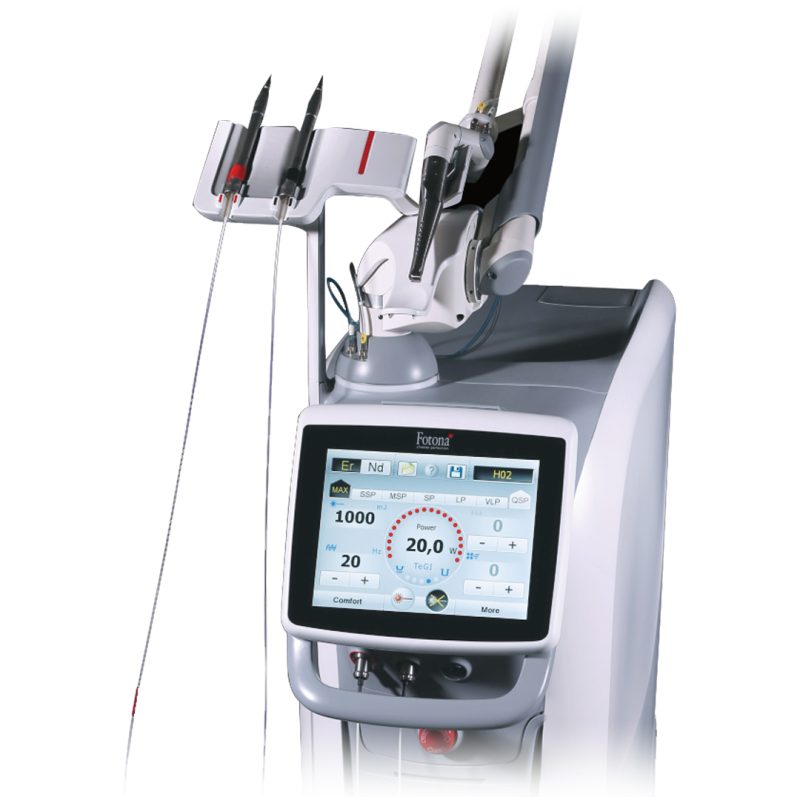
Fontana Walker Laser
Supports tissue healing following surgery as part of postoperative care.
Digital Smile Design (DSD) technology is also used to simulate and visualize potential treatment outcomes.
INTERNATIONAL IMPLANT BRANDS
Worldwide Hospital uses internationally recognized implant systems imported through official channels, supplied with manufacturer certification and covered by lifetime warranty policies.




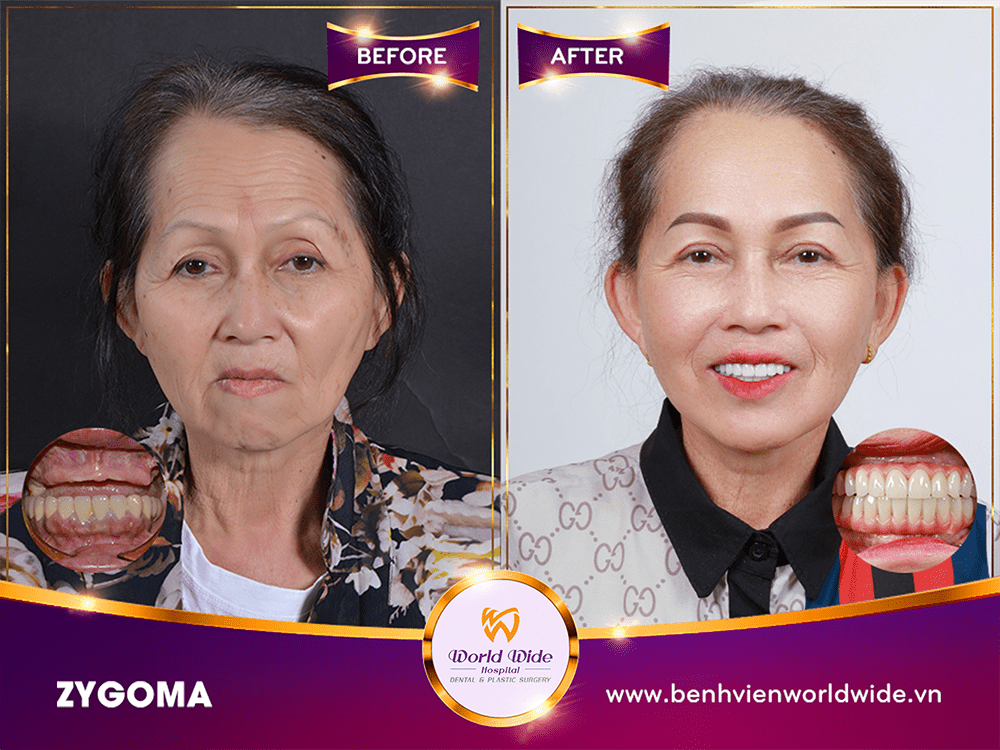
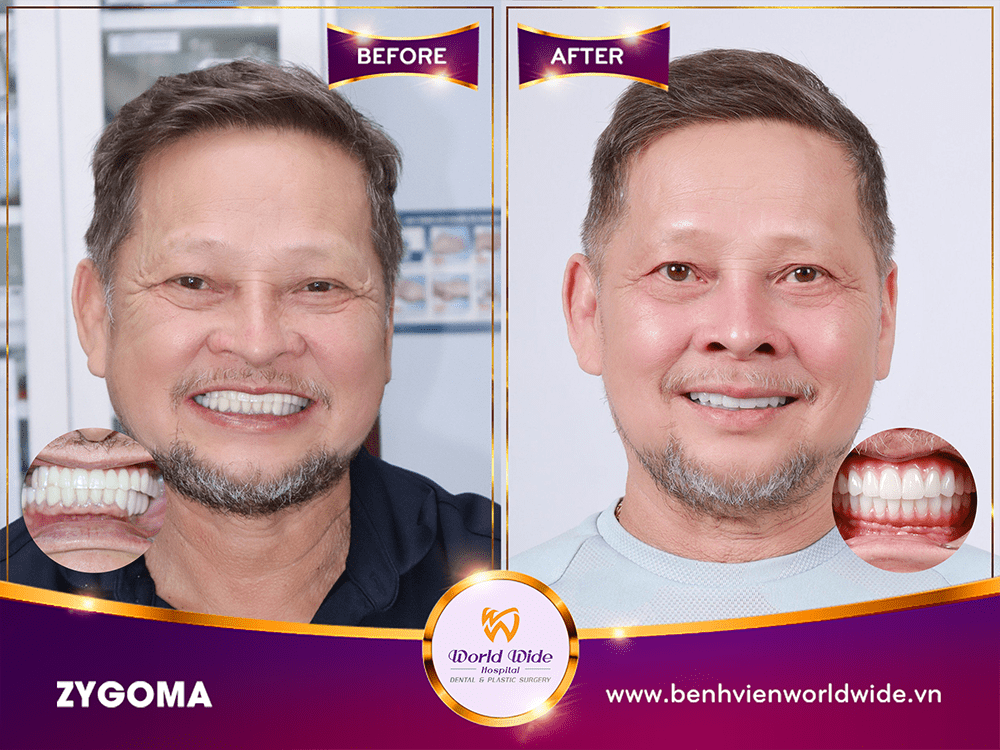
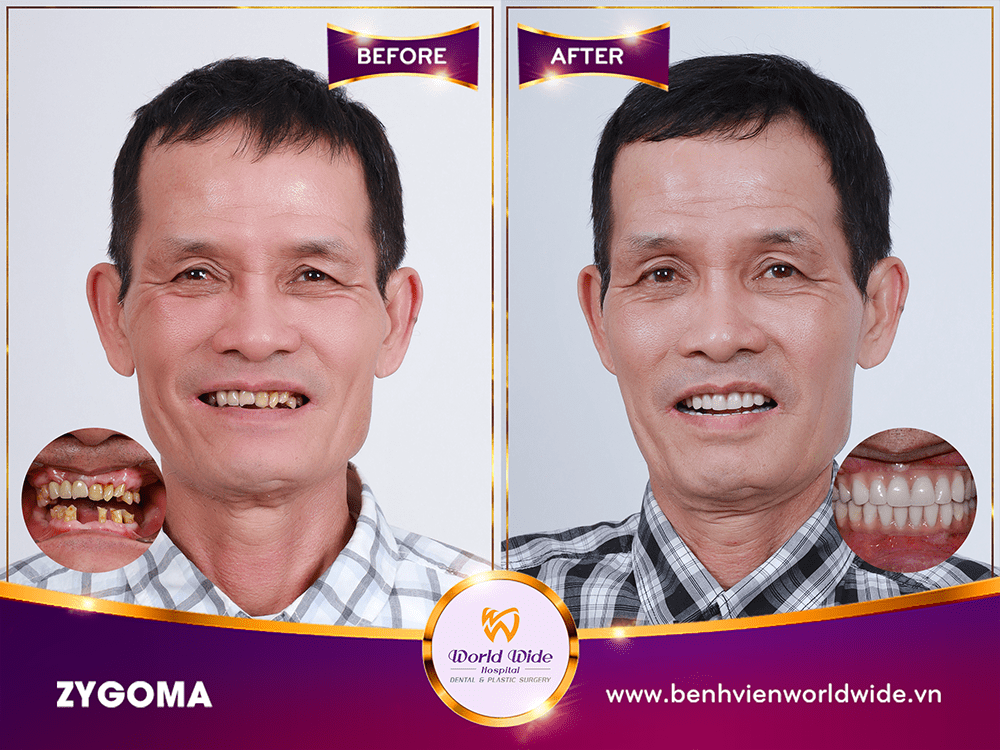
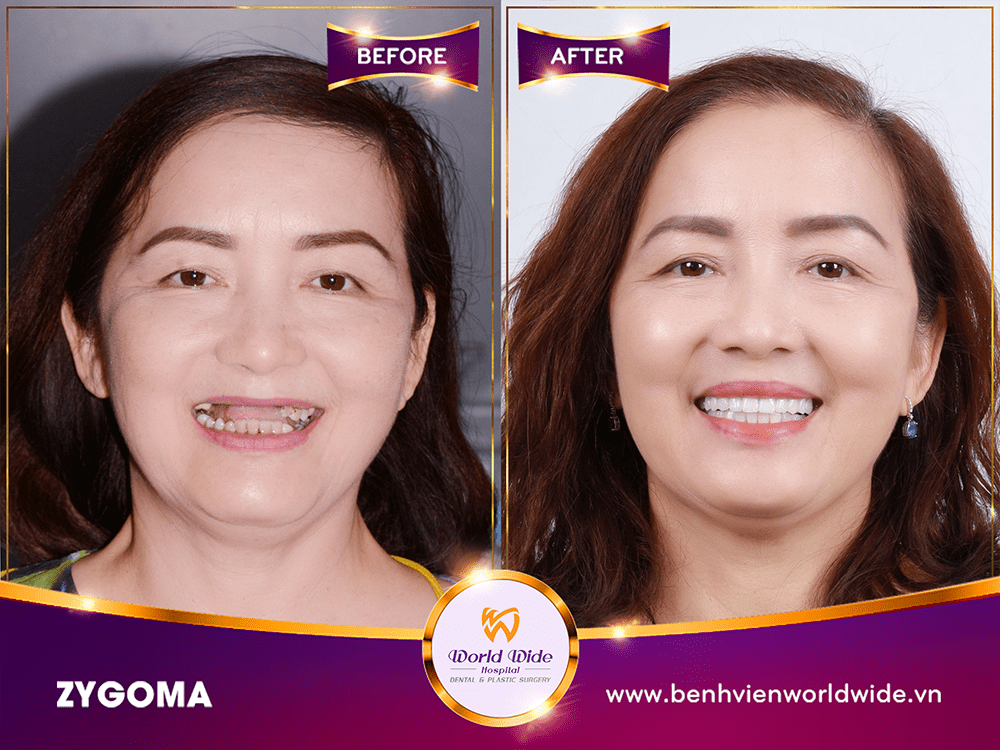
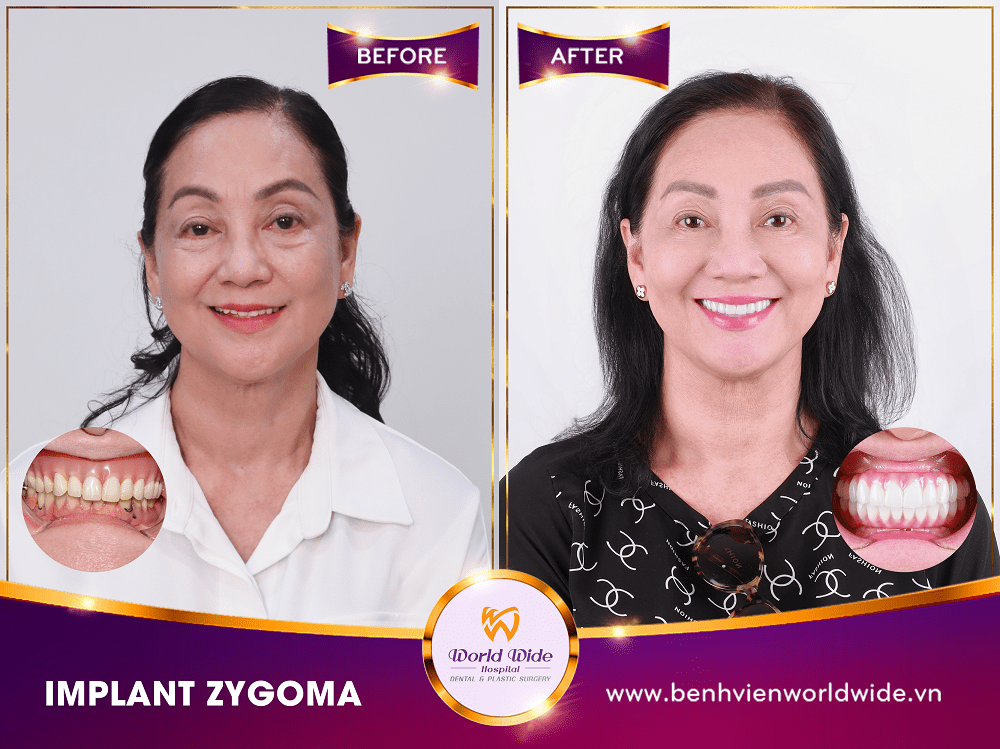
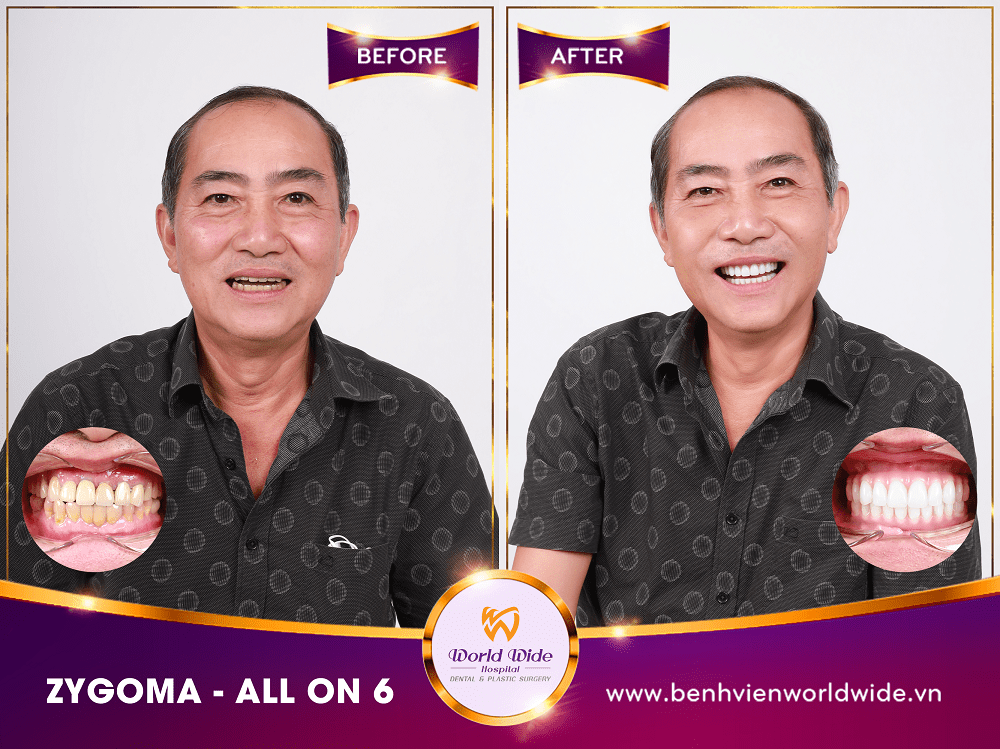
SUCCESSFUL ZYGOMA IMPLANT CASES AT WORLDWIDE
Worldwide Hospital has treated patients requiring advanced implant rehabilitation, including cases involving significant upper-jaw bone loss.
PATIENT STORIES