
WHAT IS A PROTRUDING JAW?
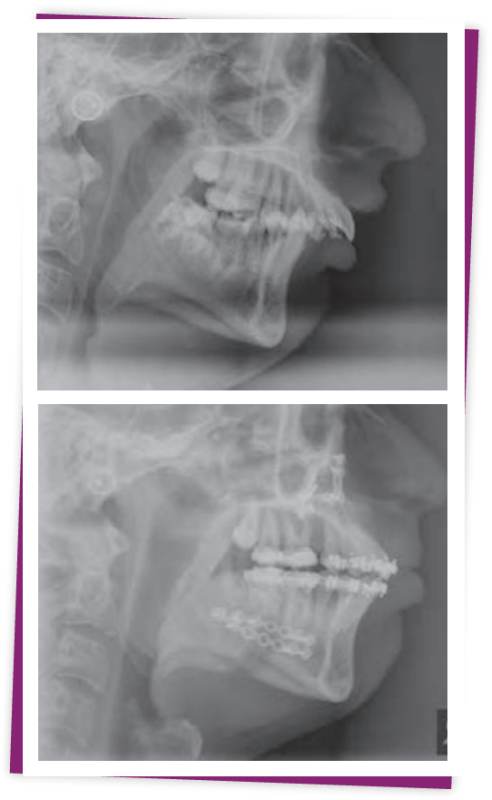
A protruding jaw, commonly referred to as an overbite, protruding teeth, or Class II malocclusion, is a common jaw and facial condition in which the upper jaw or teeth extend excessively forward in relation to the lower jaw.
This condition can affect both facial harmony and oral function. In some cases, the lips may not close comfortably, while the teeth may appear excessively prominent or tilted forward. As a result, the overall facial profile can appear unbalanced.
A severe protruding jaw may also make biting and chewing more difficult and, over time, may affect the function of the temporomandibular joint.
CAUSES OF A PROTRUDING JAW
A protruding jaw can generally be classified into three main types:
- Dental protrusion: The condition is primarily caused by the position or inclination of the teeth.
- Skeletal protrusion: The condition is primarily caused by the structure and position of the jawbone.
- Combined dental and skeletal protrusion: Both the teeth and jawbone contribute to the protruding appearance.
CAN BRACES CORRECT A PROTRUDING JAW?
Orthodontic treatment can be effective when the problem is primarily dental. However, braces alone may not adequately correct a condition caused by the underlying jawbone.
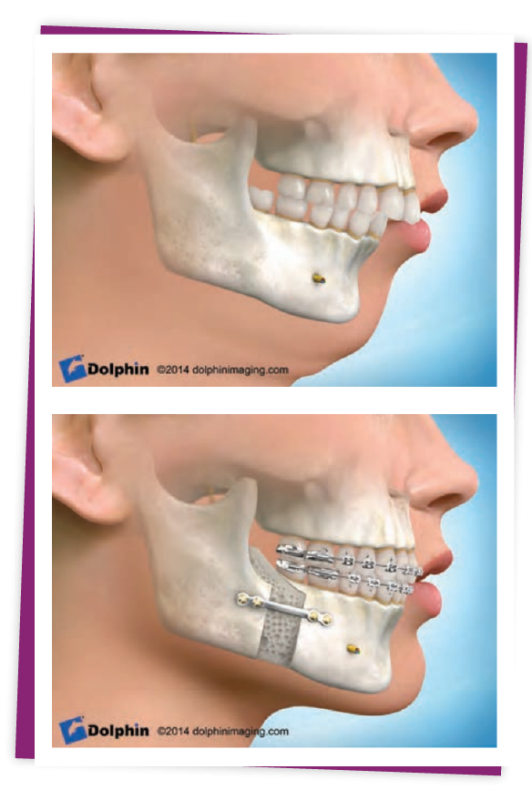
For patients with significant skeletal protrusion, orthognathic jaw surgery may be recommended to reposition the jaw and improve facial balance.
When both the teeth and jaw are involved, treatment may combine jaw surgery with orthodontic treatment for a more comprehensive result.
JAW PROTRUSION SURGERY PROCEDURE
- Step 1: Examination and Consultation
The doctor evaluates the patient’s bite, jaw relationship, and overall oral condition. - Step 2: 3D CT Scan
A CT scan is performed to evaluate the underlying jawbone structure and identify the cause. - Step 3: Treatment Planning
The dental and maxillofacial surgical teams review the diagnostic information to determine the most appropriate approach. - Step 4: General Health Assessment
The patient undergoes necessary medical examinations to assess overall health. - Step 5: Jaw Surgery
After anesthesia is administered, the surgeon performs the planned jaw procedure. - Step 6: Hospital Stay
Patients may remain in the hospital for postoperative monitoring. - Step 7: Follow-Up
Postoperative follow-up appointments are scheduled to monitor healing.
HOW MUCH DOES JAW PROTRUSION SURGERY COST?
The cost of jaw protrusion surgery varies depending on the complexity of each case and the surgical technique required. According to the information published by Worldwide Hospital, the average cost is approximately VND 70–100 million per procedure.
A personalized consultation is necessary to determine the exact treatment plan and associated cost.

IS JAW PROTRUSION SURGERY DANGEROUS OR PAINFUL?
Jaw surgery is a major surgical procedure involving the facial bones, so safety depends on appropriate patient assessment, surgical planning, medical facilities, technology, and the experience of the surgical team. Advanced imaging and surgical equipment can assist doctors in planning and performing the procedure.
Because the procedure is performed under anesthesia, patients do not experience surgical pain during the operation itself. Some degree of swelling, discomfort, tightness, or soreness may occur during the recovery period, which varies between patients.
IMPORTANT CONSIDERATIONS & COMPLICATIONS
Accurate Diagnosis
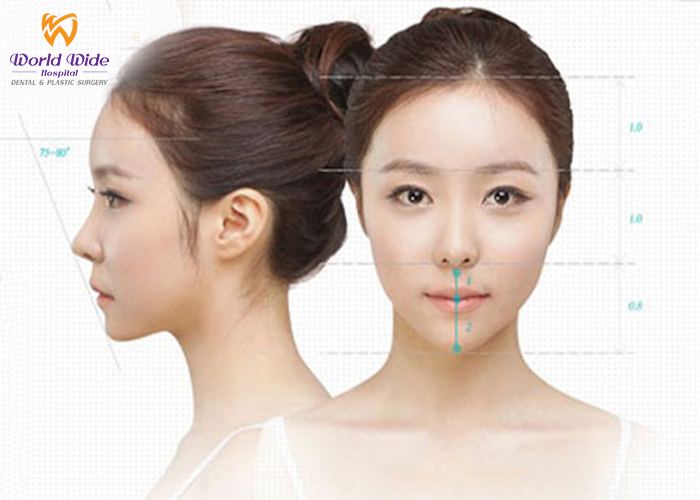
The underlying cause of the protrusion must be accurately diagnosed with 3D imaging.
Potential Complications
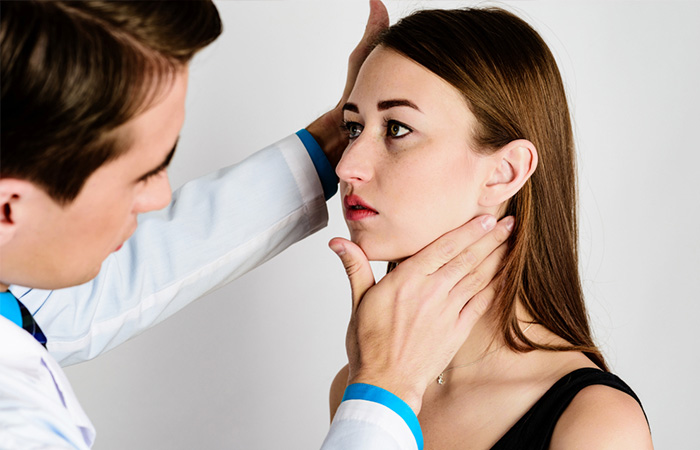
May include changes in facial symmetry, temporary numbness, or difficulty chewing.
Recovery Care
Apply cold compresses, follow a soft-food diet, and avoid direct pressure.
SUCCESSFUL SURGERY CASES AT WORLDWIDE
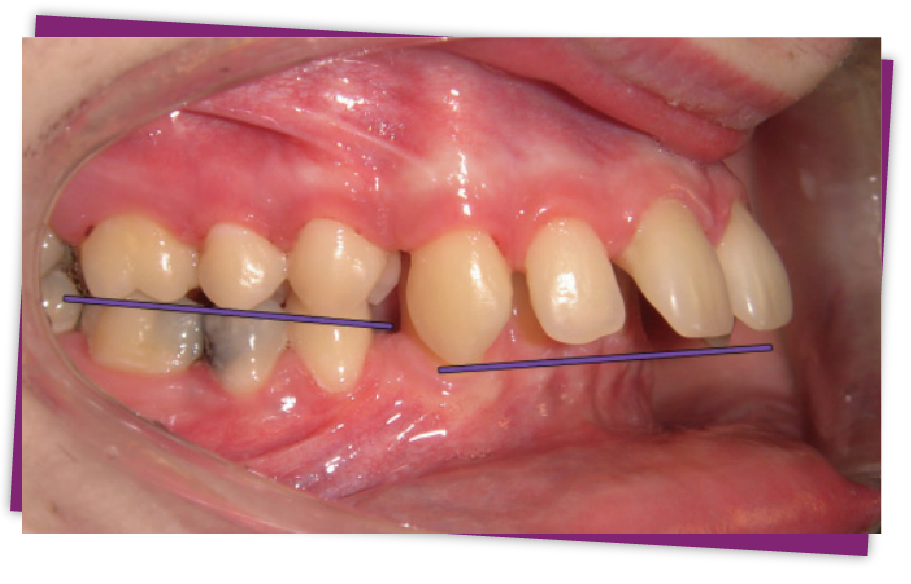
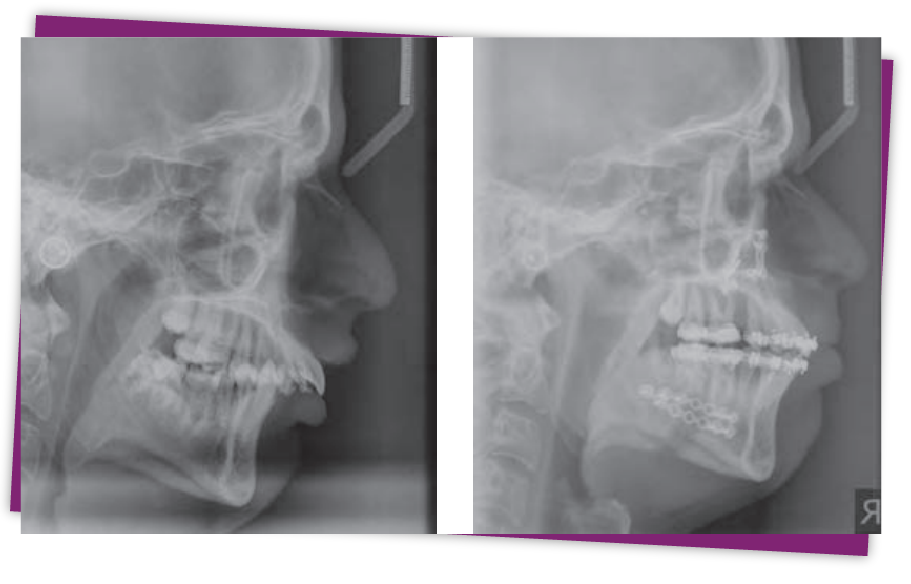
Worldwide Hospital provides diagnostic and surgical services for patients with skeletal jaw protrusion. The treatment process includes detailed assessment and 3D CT imaging to evaluate the jaw structure and determine the degree and nature of the protrusion.

FREQUENTLY ASKED QUESTIONS
Can braces correct a protruding jaw?
Braces can effectively correct many cases of dental protrusion. However, when the primary cause is skeletal, orthodontic treatment alone may not be sufficient. Jaw surgery may be considered when the underlying problem involves the jawbone.
How do I know whether I need braces or jaw surgery?
A comprehensive dental and maxillofacial examination, together with appropriate imaging such as a 3D CT scan, can help determine whether the problem originates from the teeth, the jaw, or both.
How long does jaw protrusion surgery take?
The duration varies depending on the surgical technique, the severity of the condition, and whether additional procedures are required. Your surgeon can provide a more accurate estimate after examination and treatment planning.
Is the result permanent?
Jaw surgery changes the position of the underlying jawbone. When the procedure is appropriately planned and performed and the patient follows postoperative instructions, the structural correction is intended to provide a long-term result.
What should I eat after jaw surgery?
Patients are generally advised to begin with liquids or very soft foods and gradually progress to a normal diet according to their surgeon’s instructions and healing progress.
