

FACIAL TRAUMA TREATMENT
Facial trauma is a common occurrence in today’s society, comprising approximately 10% of all types of injuries and can be seen across all age groups with various forms of lesions, ranging from simple to complex, due to many different causes. As a result, the demand for facial trauma treatment has been increasing in recent times.
Facial trauma causes
- Road traffic accidents (RTAs) or motor vehicle collisions (MVC) remain the most important cause of maxillofacial trauma, accounting for the highest proportion (70-80%).
- Occupational accidents
- Household accidents
- Sports injuries
- Affray
Depending on the nature and severity of the injury, facial trauma can be classified into two types: soft tissue injuries and bone fractures.
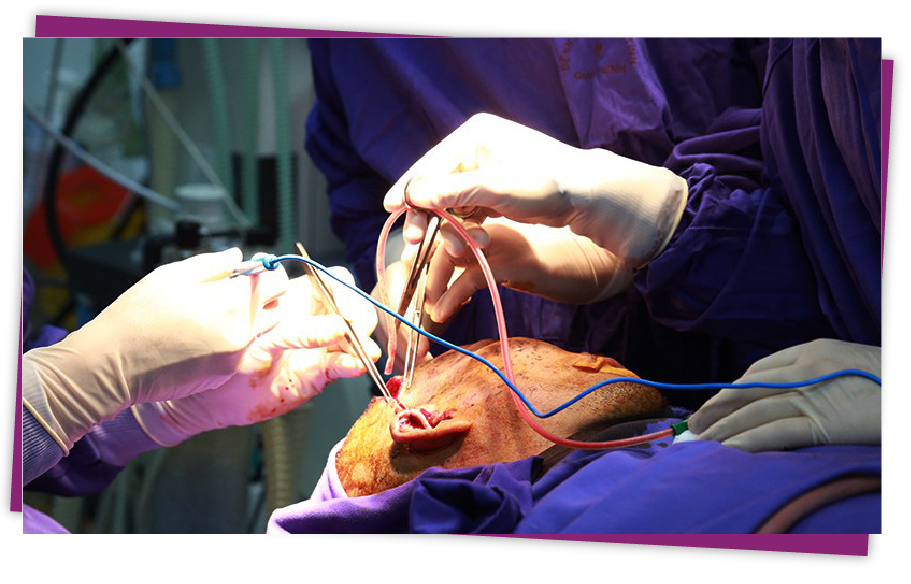
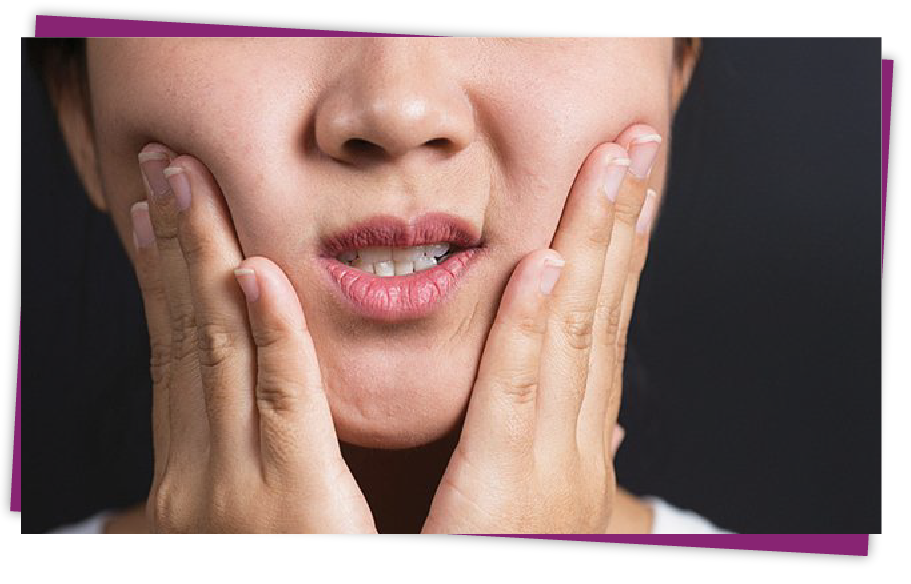
Soft tissue facial injuries
Facial soft tissue injuries are classified as the following: Abrasions, Contusions, Lacerations, Puncture wounds, Incised wounds, Avulsion, Burns, Thermal injuries.
The face is a highly vascularized region of the body, meaning it has an extensive blood supply. This vascular network often provides favorable conditions for nourishment and wound healing in most cases. However, if not properly treated, facial trauma can easily result in complications such as unsightly scars, contracture scars that can affect aesthetics and impede function.
For soft tissue injuries in the maxillofacial region, it is necessary to assess the extent and nature of the injuries accurately and comprehensively. Early treatment is essential, involving effective hemostasis, meticulous wound debridement, and proper closure techniques to ensure good aesthetic and functional outcomes.
Bone fractures
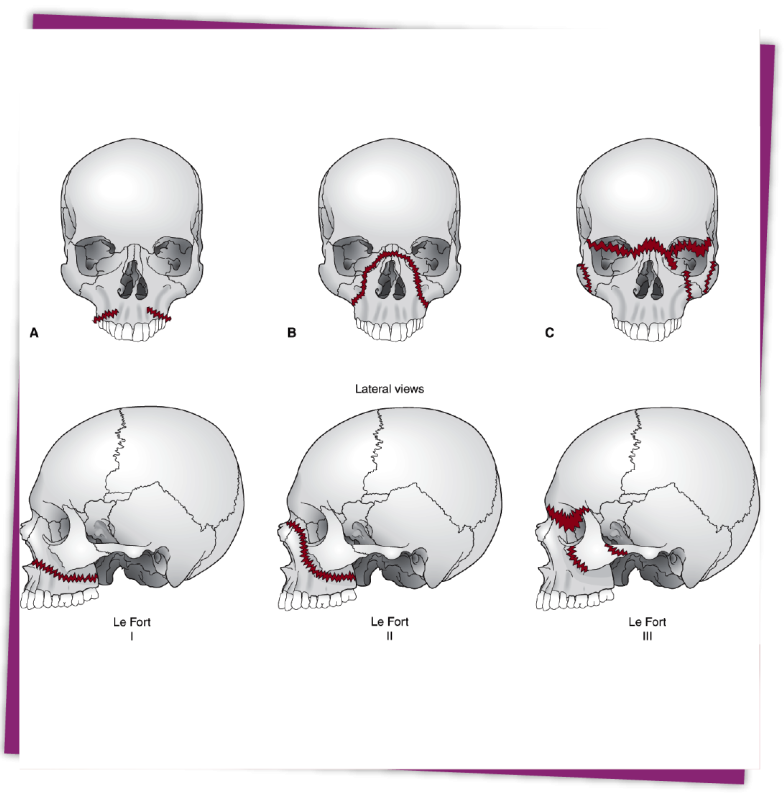
Maxillofacial fractures are commonly classified based on the location of the fracture within the facial skeleton.
- Maxilla fractures: Transverse fractures (Lefort I, II, III), vertical fractures, dental and maxillary alveolar fractures.
- Mandible fractures: Mandibular body fractures (chin, mandibular ramus, angle), condyle fractures, complex fractures, dental and alveolar fractures.
- Nasoorbitoethmoid (NOE) fractures
PRINCIPLES OF MAXILLOFACIAL TRAUMA MANAGEMENT
The overarching principle in managing facial trauma aligns with other types of agony on the body, emphasizing the preservation of the patient’s life as the utmost priority. The management of severe and high-risk injuries takes precedence. In the context of maxillofacial trauma, functional and aesthetic management always go hand in hand, requiring meticulosity and dexterity.
Emergency first aid management
- Prevention of acute respiratory obstruction: Control tongue fall, suction of phlegm, clear airway.
- Inhibition of bleeding: Apply pressure dressing, clamp or suture bleeding wounds.
- Deterrence of shock: Monitor pulse, blood pressure, respiratory rate, control bleeding promptly, provide pain relief.
Management of wounds
- Soft tissue: Conservative debridement, anatomically correct suturing, primary closure. In cases of tissue loss, use flaps or rotations.
- Bone wounds: Preservation treatment (realignment and fixation) or surgical treatment (open approach to realign bone and fix with plate and screw system).
Treatment of maxillofacial trauma at Worldwide
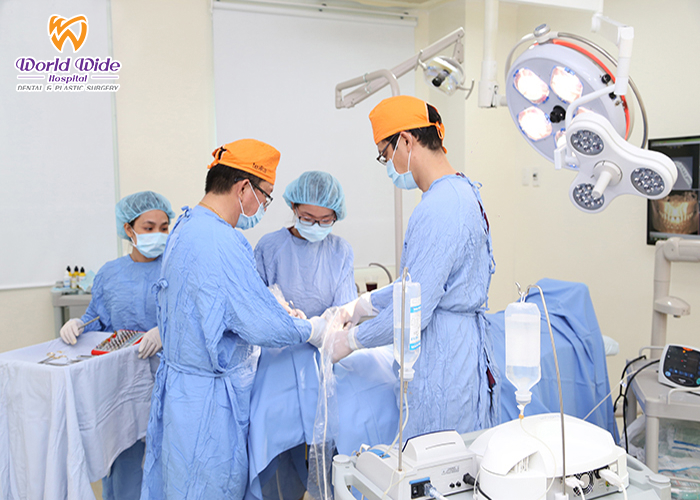
At Worldwide Hospital, the management of facial trauma varies based on the nature and extent of the injury in each patient following thorough evaluations by doctors. Severe cases of trauma or multiple traumas necessitate monitoring, surgery, and hospitalization.
Worldwide Maxillofacial Hospital – Aesthetic Surgery with a team of experienced specialists and modern facilities, meeting 5-star standards, ensuring optimal treatment outcomes for customers.
RELATED SERVICES

FACE REJUVENATION

FACE LIFT SURGERY

CHIN IMPLANT SURGERY

LIP RESHAPING

DIMPLEPLASTY

EAR SHAPING SURGERY
