
OVERVIEW
Pediatric Dentistry
Maintaining healthy baby teeth is essential for the development of your child’s jaw and for guiding the proper development of permanent teeth.
To ensure that permanent teeth erupt at the appropriate age and in the correct position, the replacement of baby teeth should take place at the appropriate time and according to the natural sequence.
Why Are Baby Teeth Important?
Baby teeth are present from approximately 6 months to 12 years of age. Although temporary, they play several important roles:
Bite & Chew
Help children bite and chew food properly.
Digestion
Grind food efficiently to support healthy digestion.
Speech
Crucial for the development of proper speech and pronunciation.
Maintain Space
Reserve the necessary space for the future permanent teeth.
Guide Position
Guide permanent teeth into their appropriate positions as they erupt.
When Do Baby Teeth Fall Out?
The timing of baby tooth replacement varies depending on the type of tooth. The natural process generally begins with the front teeth and is followed by the molars.
Extraction at the Right Time
Parents should avoid having their child’s baby teeth extracted before the natural replacement period. If a baby tooth is removed too early, the period without a tooth may affect the child’s psychology, chewing ability, jaw development, gum development, and the eruption of permanent teeth.
When a tooth is missing for an extended period, the gum may become narrower, which can make it more difficult and uncomfortable for the permanent tooth to erupt.
When is Extraction Necessary?
Normally, a baby tooth will become loose and fall out naturally when the corresponding permanent tooth begins to erupt. However, extraction may be necessary when:
- The permanent tooth has erupted but the baby tooth has not fallen out.
- The baby tooth remains firmly in place beyond the expected replacement period.
- The permanent tooth is erupting away from the position of the baby tooth.
A dental examination is recommended to determine the appropriate treatment.
Painless Extraction at Worldwide
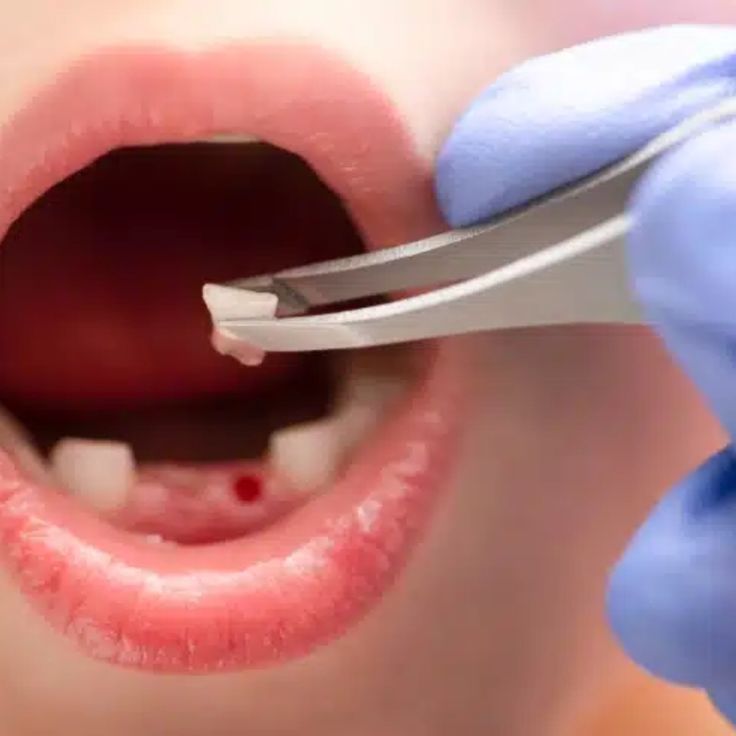
Worldwide provides painless baby tooth extraction for children. We emphasize a child-friendly approach with experienced pediatric dentists.
Gentle
Quick
Comfortable
Stress-Free
KNOWLEDGE CENTER
Frequently Asked Questions
What Happens Before a Baby Tooth Falls Out?
After a baby tooth has erupted, its root gradually undergoes natural resorption over the following years. This process prepares the tooth to be replaced by the corresponding permanent tooth. After the baby tooth falls out, the permanent tooth generally erupts into the space.
Should Parents Extract Baby Teeth at Home?
Parents should be cautious about extracting baby teeth themselves. After extraction, the extraction site needs to be monitored for proper blood clotting and healing. If there are any unusual signs or concerns, the child should be examined by a dentist as soon as possible.
Can Children Drink Milk After Extraction?
Yes, children can drink milk after a baby tooth extraction. Milk provides nutrients that support oral health. We recommend options such as fresh milk, unsweetened yogurt, or unsweetened plant-based milk. Avoid excessively sugary milk products to prevent tooth decay.
PEDIATRIC DENTISTRY
Schedule a Consultation
Our pediatric dentists can assess whether your child’s baby tooth needs to be extracted to ensure the healthy development of their permanent smile. Schedule a gentle, stress-free appointment today.
*Your information is kept strictly confidential.
