
OVERVIEW
Your Journey to a Straighter, Healthier Smile
Orthodontic treatment is more than simply straightening teeth.
A successful braces treatment begins with a detailed diagnosis, continues with carefully controlled tooth movement, and ends with a retention plan designed to help maintain your results.
At Worldwide, the orthodontic treatment process is personalized according to your teeth, bite, facial characteristics, oral health, and treatment goals.
How Braces Treatment Works
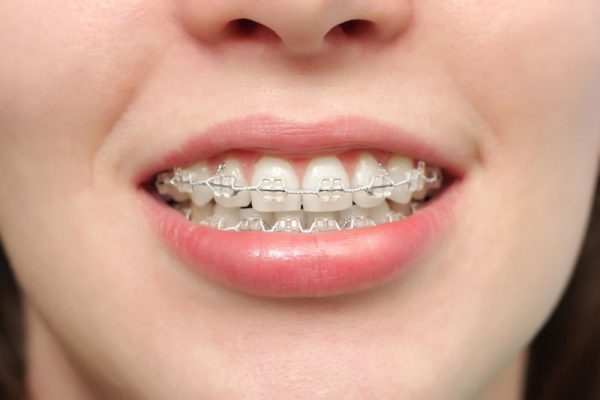
Traditional braces use brackets and archwires to apply controlled forces to the teeth. Over time, these forces stimulate natural biological changes around the teeth, allowing them to gradually move into their planned positions.
The treatment process generally follows these stages: Consultation → Diagnosis → Treatment Planning → Braces Placement → Tooth Movement → Final Alignment → Retention
STEP-BY-STEP
The Comprehensive 13-Stage Process
01
Initial Orthodontic Consultation
Understanding Your Smile
Comprehensive evaluation of tooth alignment, bite, facial profile, and oral health to understand how your teeth function together.
02
Orthodontic Diagnosis
A Complete Picture of Your Teeth
Accurate diagnosis using Digital Dental Scans (3D models), Dental Photography, and Panoramic/Cephalometric X-Rays.
03
Personalized Treatment Planning
A Plan Built Around You
Your orthodontist determines tooth movement, space needs, extraction requirements, treatment duration, and retention strategy.
04
Choosing Your Appliance
Depending on clinical requirements and aesthetic preferences, options include Traditional Metal Braces, Ceramic Braces, or Invisalign®.
05
Braces Placement
Starting Your Treatment
Brackets are bonded to the teeth and the archwire is secured. This initial appointment takes approximately 60-120 minutes.
06
The Active Treatment Phase
Gradually Moving Your Teeth
The archwire applies controlled forces. Your orthodontist monitors tooth movement, bite changes, and gum health.
07
Regular Appointments
Small Adjustments. Long-Term Results.
Follow-up visits every 4-8 weeks to adjust archwires, replace ligatures, check movement, and make necessary changes.
08
Maintaining Oral Hygiene
Healthy Teeth During Treatment
Braces trap plaque. Brushing around brackets, using interdental brushes, and cleaning the gumline is crucial to prevent decay.
09
Food & Lifestyle
Avoid hard candy, ice, very hard nuts, and chewy foods that can break brackets or wires. Contact your team if damage occurs.
10
Progress Monitoring
Tracking Your Transformation
Digital scans and photographs document changes to ensure your teeth are moving as expected.
11
Final Alignment
Bringing Everything Together
Focus shifts to final alignment, bite relationship, contacts, aesthetics, and functional stability.
12
Removing the Braces
Once objectives are achieved, braces are carefully removed, teeth are cleaned, and the final result is evaluated.
13
Retention
Keeping Your Smile in Position
Retainers (fixed wire or removable appliance) are essential to maintain the positions achieved during active treatment.
How Long Does Braces Treatment Take?
There is no single treatment duration for every patient. Treatment time depends on:
- Severity of crowding & Type of malocclusion
- Amount of tooth movement required
- Whether extractions are necessary
- Patient age, bone, and gum condition
- Patient compliance & Treatment complexity
Many cases take approximately 18-24 months. Simpler cases are shorter; complex ones longer.
What Can Affect Treatment Time?
Patient Compliance: Following instructions helps keep treatment on schedule.
Oral Hygiene: Healthy gums support successful movement.
Missed Appointments: Delays necessary adjustments.
Broken Appliances: Bracket/wire damage interrupts treatment.
Biological Response: Every person’s teeth respond differently to orthodontic forces.
Is Braces Treatment Painful?
Some pressure, tenderness, or mild discomfort is normal, particularly after braces are first placed, after an adjustment, or when a new appliance is introduced.
The discomfort usually decreases as the mouth adapts. However, persistent or severe pain is not something to simply ignore. Contact your orthodontic team if you experience significant discomfort.
Braces Treatment for Adults
It’s Never Too Late to Improve Your Smile
Orthodontic treatment is not limited to teenagers. Adults may seek treatment for crowded teeth, spacing, bite problems, relapse, aesthetics, or hygiene issues.
Before treatment, your orthodontist will thoroughly evaluate the condition of your teeth, gums, and supporting bone.
Braces for Children & Teenagers
Early orthodontic evaluation can help identify developing alignment and bite problems.
Depending on the child’s growth and development, treatment may involve observation, early intervention, functional appliances, or comprehensive braces. The ideal timing varies.
COMPARISON
Traditional Braces vs. Invisalign
The right treatment depends on the patient’s clinical condition, not simply on whether one appliance looks more attractive.
KNOWLEDGE CENTER
Frequently Asked Questions
How often do I need orthodontic appointments?
Many patients are seen approximately every 4-8 weeks, although the schedule varies according to the treatment stage and individual needs.
How long will I wear braces?
Many cases take around 18-24 months, but treatment duration varies significantly between patients.
Do I need to have teeth removed before braces?
Not necessarily. Extraction is considered only when it is clinically appropriate for creating space or achieving the desired orthodontic result.
Can adults get braces?
Yes. Adults can receive orthodontic treatment when their teeth, gums, and supporting structures are healthy enough for tooth movement.
What happens if I break a bracket?
Contact your orthodontic clinic for instructions. Avoid attempting to repair or remove the bracket yourself.
Do I need retainers after braces?
Yes. Retention is an important part of maintaining the result after active orthodontic treatment.
Can I whiten my teeth while wearing braces?
Professional whitening is generally easier to plan after fixed braces are removed because brackets cover parts of the tooth surface. Discuss timing with your dentist or orthodontist.
START YOUR ORTHODONTIC JOURNEY
From Diagnosis to a Confident Smile
Orthodontic treatment is a journey, not a single appointment. With accurate diagnosis, personalized planning, careful monitoring, and long-term retention, each stage of treatment works toward the same goal: A healthier, more balanced, and confident smile.
*Your information is kept strictly confidential.
