ORAL HEALTH
Protecting Your Investment Starts on Day One
Your New Tooth Is Built to Last – With the Right Care
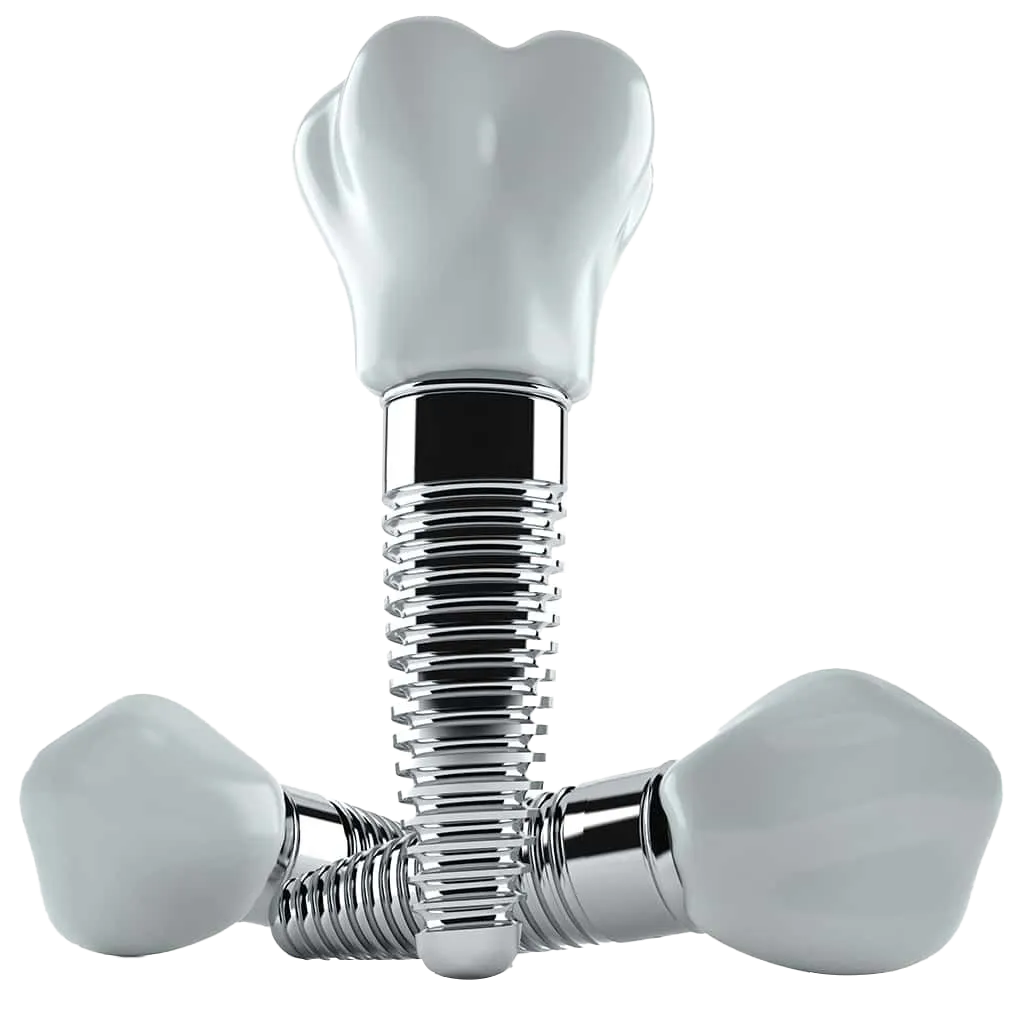
A dental implant is designed to replace your missing tooth for decades, but its long-term success depends on more than the procedure itself. Healing, oral hygiene, routine maintenance, and regular professional reviews all contribute to keeping the implant healthy and functional.
At Worldwide Dental Hospital, every implant patient receives a personalized maintenance plan based on their oral health, lifestyle, and implant system. Our goal is simple: protect your smile for life-not just until treatment is complete.
Highlights
- Personalized aftercare instructions
- Digital implant records
- International follow-up support
- Implant Passport™ documentation
- ConnectedCare™ monitoring for overseas patients
RECOVERY
What to Expect After Implant Surgery
First 24 Hours
Your body immediately begins the healing process. Mild swelling, tenderness, or slight bleeding is completely normal.
We recommend:
- Rest as much as possible
- Apply cold compresses
- Eat soft, cool foods
- Avoid smoking or alcohol
- Take prescribed medications exactly as instructed
Days 2-7
Most patients notice significant improvement within a few days.
During this stage:
- Swelling gradually decreases
- Soft tissues begin healing
- Gentle brushing can resume
- Chlorhexidine mouth rinse may be recommended
- Light daily activities are usually possible
Weeks 2-12
This is the most important stage of treatment.
Although discomfort has disappeared, the implant is quietly integrating with your jawbone through a natural biological process called osseointegration. During this period the implant gains the strength required to support your permanent crown.
HYGIENE
Daily Implant Care Made Simple
A dental implant cannot develop cavities, but the surrounding gums and bone can still become inflamed if plaque is allowed to accumulate. We recommend following this simple daily routine:
Morning
- Brush with a soft-bristle toothbrush
- Clean around the implant carefully
- Use low-abrasive toothpaste
Evening
- Brush thoroughly
- Clean between teeth using floss or interdental brushes
- Rinse if recommended by your dentist
Long-Term
- Professional cleaning every 6 months
- Annual implant examination
- Digital X-rays when required
DIET & HABITS
Foods to Enjoy – And Foods to Avoid
During the healing phase, protecting the implant site from excessive force is crucial.
Recommended
- Soup
- Yogurt
- Scrambled eggs
- Mashed potatoes
- Rice porridge
- Smoothies
- Fish
- Pasta
Avoid
- Ice cubes
- Nuts
- Hard candy
- Sticky caramel
- Tough meat
- Chewing gum
- Extremely hot foods
After healing, most patients can comfortably return to a normal diet, including steak, apples, and crunchy vegetables.
Habits That Help Your Implant Last Longer
Small daily habits make a remarkable difference over the years. Healthy habits include:
- Brushing twice daily
- Keeping regular hygiene appointments
- Wearing a night guard if you grind your teeth
- Managing diabetes and general health
- Staying hydrated
- Following your dentist’s recommendations
Habits That Increase Implant Risk
Certain habits place excessive stress on implants and surrounding tissues. These include:
- Smoking
- Poor oral hygiene
- Skipping professional cleanings
- Untreated gum disease
- Teeth grinding (bruxism)
- Using teeth as tools
- Ignoring discomfort or mobility
Many implant complications are preventable through regular maintenance and early intervention.
PATIENT CARE
Long-Term Follow-Up for International Patients
Many of our patients travel from Australia, the United States, Canada, New Zealand, and Europe. Our international follow-up program includes:
- Digital treatment records
- Online consultations
- Progress reviews via photographs or X-rays
- Coordination with your local dentist
- ConnectedCare™ continuity between Vietnam and your home country
Even after you return home, our team remains available whenever you need guidance.
When Should You Contact Your Dentist?
Contact our implant team if you notice:
- Persistent pain
- Swelling lasting longer than expected
- Bleeding around the implant
- Loose crown
- Difficulty chewing
- Unpleasant taste or discharge
- Gum recession around the implant
Early evaluation often prevents small problems from becoming larger ones.
SCHEDULE
Your Implant Maintenance Timeline
OUTCOME
Why Maintenance Matters
Dental implants have one of the highest long-term success rates in modern dentistry. However, success depends on a partnership between your implant team and your daily home care.
Protect Surrounding Bone
Maintains the stable foundation your implant relies on.
Maintain Healthy Gums
Prevents inflammation that can compromise the implant.
Extend Implant Lifespan
Ensures your implant functions successfully for decades.
Detect Early Problems
Allows intervention before small issues become big complications.
Preserve Chewing Efficiency
Keeps your bite balanced and fully functional over time.
Maintain Aesthetics
Ensures your smile stays natural-looking for the rest of your life.
With proper care, many implants continue functioning successfully for decades.
FREQUENTLY ASKED QUESTIONS
Got Questions?
We’ve Got Answers
Will my implant need special cleaning?
No. Daily brushing and cleaning between teeth are usually sufficient, although your dentist may recommend implant-specific cleaning tools depending on your case.
Can implants develop cavities?
No. The implant itself cannot decay, but plaque can still affect the surrounding gums and bone if oral hygiene is neglected.
How often should I return for maintenance?
Most patients benefit from professional examinations and cleaning every six months, though some high-risk patients may require more frequent visits.
Can I travel soon after surgery?
Many international patients can safely travel within a few days after straightforward implant placement, depending on the complexity of treatment and their dentist’s recommendations.
Will my implant feel like a natural tooth?
Once healing is complete and the permanent crown is placed, most patients describe their implant as looking, feeling, and functioning very much like a natural tooth.
